

The rapid growth of digital media has pushed companies and organizations to compete in promoting their brands and products online to capture wide audience attention. However, the question remains: does every campaign truly deliver the right impact for the brand?
Metrics like impressions, clicks, or likes alone are not enough to answer this. To fully understand the impact of a campaign, businesses need a more comprehensive, data-driven approach: Digital Media Monitoring.
What Is Digital Media Monitoring?

Digital Media Monitoring is the process of tracking, collecting, and analyzing digital content that mentions a brand, campaign, or specific topic across multiple online channels from social media, news portals, forums, and blogs.
The main purpose of digital media monitoring is not only to see how often a brand appears online, but also to understand the context behind those conversations: how messages are received, how narratives form, and how the public responds.
By conducting media monitoring consistently, companies can:
- See the breadth of campaign reach and exposure in the digital space.
- Identify the tone of conversations whether it’s positive, neutral, or negative.
- Understand how campaign messages shape public perception and brand reputation.
This approach positions Media Monitoring as a bridge between marketing activities and the actual communication impact experienced by the audience.
Why Is Media Monitoring Important for Digital Marketing Campaigns?
The success of a digital campaign is not measured only by the number of clicks or engagement, but also by public perception and how the campaign is talked about across online media.
Through Media Monitoring, marketing teams and brands can see the bigger picture—ranging from the narratives being formed to the emotional reactions of audiences.
Key benefits include:
- Evaluating message effectiveness: Understanding whether the campaign message was received according to the objectives and brand pain points.
- Analyzing media and channels: Seeing which platforms contributed the most to spreading campaign messages.
- Monitoring reputation: Assessing how the public discusses and perceives the brand throughout the campaign period.
In Indonesia—where digital media consumption is high and public opinion shifts quickly and Media Monitoring in Indonesia becomes essential for companies to maintain communication direction and brand reputation.
How Digital Media Monitoring Works?
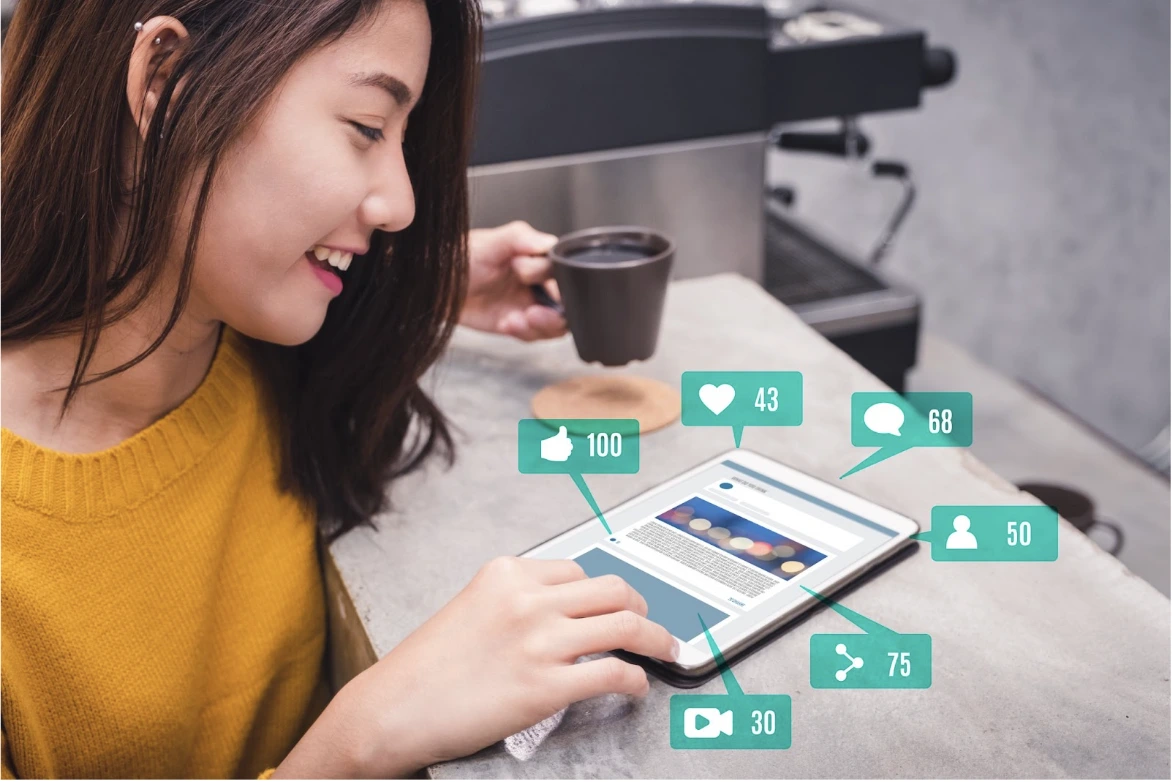
Digital Media Monitoring operates through several interconnected processes that create a complete picture of how a campaign develops in the digital landscape.
- Data Collection
The system gathers campaign- or brand-related data from online media, blogs, forums, and social media. - Content Classification & Analysis
Each content piece is analyzed and categorized based on sentiment (positive, negative, neutral), themes, and relevance to the campaign being monitored. - Narrative & Trend Mapping
The data is then processed into a complete overview showing how public conversations form, how far they spread, who influences them, and how public opinion evolves. - Insight & Report Delivery
Insights are presented in dashboards or visual reports. These include indicators such as share of voice, sentiment trends, most influential media,and strategic insights for communication decisions. Report formats can be interactive dashboards or comprehensive documents for internal teams.
Through this process, marketing teams gain a full understanding of each campaign—not only what is happening, but also why it is happening.
Key Indicators to Measure Digital Campaign Impact

Media Monitoring provides essential metrics that help organizations evaluate whether a campaign is effective and how messages are received. Each indicator offers a different perspective on reach, conversation quality, and campaign influence in the digital space.
1. Share of Voice (SOV)
SOV shows how much of the digital conversation is dominated by a brand or campaign compared to competitors.
It highlights:
- how often a brand is mentioned,
- which channels are driving conversations,
- how broad the exposure is.
SOV is the starting metric to understand campaign visibility in a competitive context.
2. Engagement & Resonance
Engagement measures how actively audiences interact with the monitored campaign—sharing content, commenting, reacting, or sparking further discussion. High resonance indicates the campaign doesn’t just get seen but also motivates audiences to participate.
3. Sentiment & Public Tone
Sentiment reflects how the public responds to a campaign whether it’s in positively, neutrally, or negatively.
This metric helps identify:
- whether the message was well received,
- whether resistance, criticism, or concerns emerged,
- how public perception developed throughout the campaign.
Sentiment analysis reveals the direction of public opinion—something engagement numbers alone can’t show.
4. Media Impact
Media Impact assesses which channels contributed most to spreading the campaign.
It includes:
- which media outlets published the most,
- what social channels were most active,
- which KOLs, influencers, or key accounts expanded message reach.
This insight helps determine the most effective channels for future campaigns.
5. Trend Analysis
Trend Analysis melihat dinamika performa kampanye dari hari ke hari.
It helps organizations:
- identify spikes or drops in conversation,
- detect key moments affecting SOV,
- evaluate the impact of specific activities like influencer posts, media publications, or digital activations.
This provides a clearer understanding of campaign trajectory and influencing factors.
Challenges and the Future of Media Monitoring in Indonesia

Media Monitoring in Indonesia faces unique challenges due to the country’s highly dynamic digital environment. Public conversation moves fast across channels, while language styles vary widely from formal Indonesian to bahasa gaul, regional languages, slang, mixed English-Indonesian phrases, and culturally specific sarcasm.
This linguistic diversity makes analysis difficult without systems that understand context, not just literal words.
Additionally, the sheer volume of daily data demands faster, more accurate processing. Narratives can shift within hours, public opinion can swing, and issues can evolve into large-scale conversations rapidly. These challenges drive the need for more intelligent, integrated monitoring capable of explaining not only what is happening but also why.
On the other hand, the future of Media Monitoring Indonesia looks promising. Advancements in Natural Language Processing (NLP), machine learning, Natural Language Processing (NLP) dan machine learning and increasingly localized language models are improving speed and accuracy. Meanwhile, more companies are prioritizing data-driven campaign evaluation. Media monitoring is evolving into a communication intelligence system that provides predictive insights and strategic recommendations, not just numerical reports. Full integration of monitoring, analytics, and strategic interpretation will become the new standard that helps brands understand public conversations more holistically.
The Role of Dataxet Sonar in Media Monitoring Indonesia
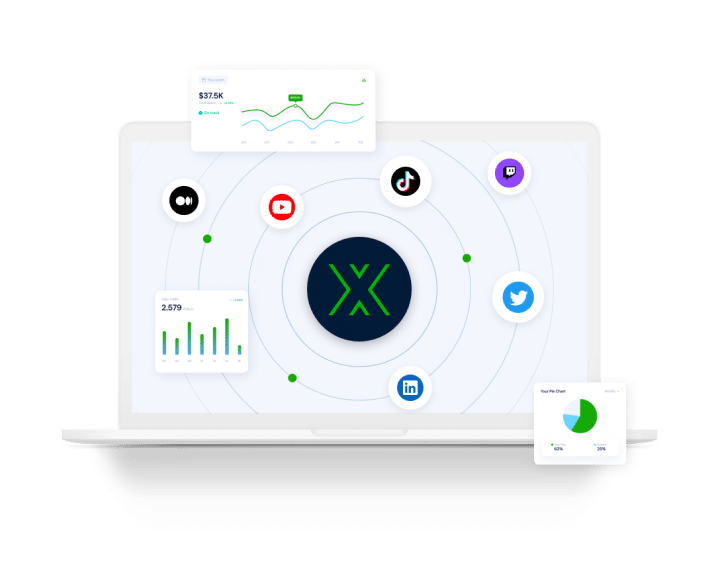
As the need for a more adaptive and intelligent monitoring system grows, Dataxet Sonar emerges as a platform that combines advanced technology with deep local understanding. With DXT360, Dataxet Sonar monitors not only media coverage across various news portals but also social media conversations, forums, blogs, and video platforms in real-time, ensuring brands always have a complete view of how campaigns or issues evolve digitally.
All data processed in DXT360 is powered by NLP (Natural Language Processing) and ABSA (Aspect-Based Sentiment Analysis) tailored specifically for the Indonesian language. This technology enables deeper analysis from sentiment detection to mapping key aspects such as product quality, service, pricing, and user experience. This approach ensures monitoring results reveal not just tone, but what truly matters to the public.
Through DXT Solutions, insights don’t stop at the data level. Dataxet Sonar’s analyst team transforms monitoring findings into decision-oriented strategic reports ranging from campaign evaluations using the AMEC model, to narrative mapping and public trend analysis, and communication recommendations that can be implemented immediately. Through the synergy of technology and human analysis, Dataxet Sonar serves as a strategic partner that helps organizations clearly understand campaign impact and take more measured communication steps.
Conclusion
Amid the complexity of digital conversations, Digital Media Monitoring becomes an essential foundation for understanding how campaigns truly influence the public. It is not enough to look at impressions or engagement—organizations need deeper insight into narratives, sentiment, and evolving opinions across channels. With NLP and ABSA technology, supported by strategic analysis from DXT360 and DXT Solutions, Dataxet Sonar helps organizations evaluate campaign impact more accurately and comprehensively.
“In the digital era, campaign success isn’t only about how far a message spreads, but how strongly it shapes perception. The right data helps you see both.”